

Statement from Civil Society Organizations on the Launch of the
Fund for Tropical Forests Forever (TFFF)
Belém, November 2025
Español / Portugués / Inglés / Bahasa Indonesia
Signature form: https://forms.gle/RaaD3Wti9KhJuUuR6
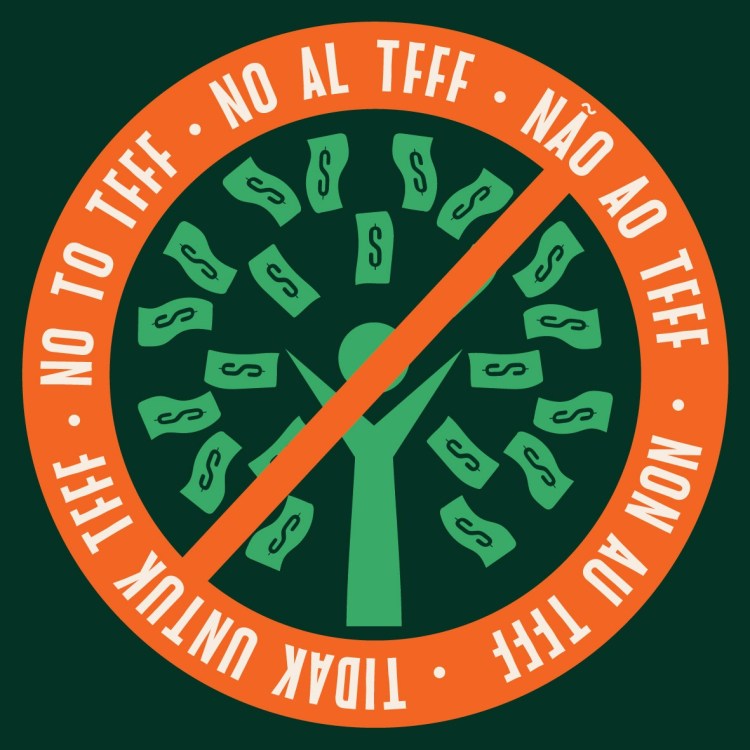
Brazilian, Amazonian, Asian, African and international civil society organizations, gathered on the occasion of COP 30, express their deep concern and rejection of the launch of the Fund for Tropical Forests Forever (TFFF), announced by the Conference Presidency, for the following reasons:
- The TFFF mistakenly and misleadingly considers deforestation a market failure that will be resolved by putting a price on the ecosystem services of tropical forests to attract private investment. The ecological collapse caused by capitalism will not be solved with more capitalism.
- The TFFF does not recognize forests as living systems that have the rights to life, to preserve their life cycles, to maintain their capacity for regeneration, to not be polluted, to conserve their integrity, and to demand timely remediation and restoration.
- The TFFF does not seek to address the true structural causes of forest destruction. It does not propose effective measures to curb and reverse agricultural, mining, and hydrocarbon extraction, nor the expansion of mega-infrastructure projects.
- The TFFF will operate like any commercial bank: obtaining loans of $125 billion at an interest rate of approximately 4%, and lending that money at a rate of approximately 7%. From the difference between these interest rates, it intends to generate $4 billion annually to distribute $4 per hectare of standing forest to the governments of the countries where 1 billion hectares of tropical forests are located.
- The TFFF is a mechanism for privatizing forest finance. If only 1% of the $2.7 trillion in public funds spent on defense budgets worldwide were allocated, $27 billion could be made available annually. That’s more than six times the $4 billion per year that the TFFF would generate based on unsafe stock markets!
- The TFFF does not prioritize indigenous peoples and local communities, nor does it establish gender and intergenerational equity in the allocation of resources. 80% of the $4 per hectare will go to national governments, while only 20% (80 cents) will go to those who actually defend and preserve tropical forests.
- The TFFF is not a mechanism that originated in the Global South, nor was it built from the ground up with the participation of forest peoples. The idea for this mechanism of financializing nature was conceived more than 15 years ago at the World Bank – thus it is NOT a South led mechanism.
- The World Bank will have significant influence over the TFFF. The wealthy countries that sponsor this mechanism will hold a majority on its board. Developing countries and civil society will have no decision-making power in the governance of the TFFF.
- The TFFF’s profitability is not guaranteed, and in the event of a decline in profits, payments will be made first to the fund’s managers and consultants, then to private investors, then to the sponsoring wealthy countries, and finally to the countries with tropical forests. Therefore, while there is a possibility of supporting traditional peoples and communities, the amount of resources is neither assured nor sufficient.
- The TFFF is the twin of carbon markets like REDD+ (Reducing Emissions from Deforestation and Forest Degradation +). They are not identical, but both are false solutions that respond to market logic, they are greenwashing mechanisms destined for private investors polluters, and are a distraction from the effective fight against deforestation.
In contrast to the TFFF, the undersigned call for the construction of effective mechanisms against deforestation that:
- Address the structural causes of deforestation.
- Establishes effective actions for forest recovery and restoration.
- Are sufficient, directly accessible without intermediaries, and come from public funds, such as those allocated to defense budgets and fossil fuel subsidies.
- Are reliable and not dependent on stock market fluctuations.
- Are primarily directed toward Indigenous Peoples, local communities, and populations that conserve forests.
- Strengthen community management and conservation mechanisms to build territories and municipalities free from deforestation, extractivism and violence against women.
- Include governing bodies where Indigenous Peoples and local community organizations have real decision-making power.
- Recognize Forests, Rivers, and Nature as subjects of rights and implement effective measures to guarantee their rights.
Signature form: https://forms.gle/RaaD3Wti9KhJuUuR6
Signatory Organizations:
- Global Forest Coalition (GFC) – International
- Rede de Trabalho Amazônico (GTA) – Brasil
- Asamblea Mundial por la Amazonía (AMA)
- Global Alliance for the Rights of Nature (GARN) – International
- Movilización de los Pueblos por la Tierra y el clima – Internacional
- Foro Social Panamazónico (FOSPA) – Panamazonía
- Red Iglesias y Minería – Brasil
- Committee for the Abolition of Illegitimate Debt (CADTM) – Internacional
- Centre pour la Justice Environnementale – Togo, Africa
- Fundación Solón – Bolivia
- WALHI/Friends of the Earth Indonesia – Indonesia
- World Rainforest Movement (WRM) – International
- Friends of the Earth International (FOEI) – International
- Fridays For Future International – International
- 350. org – Brasil
- Corporate Accountability – Internacional
- Indigenous Environmental Network International
- Associação Alternativa Terrazul – Brasil
- Associação dos Povos Indígenas do Rio Anebá (APIRA) – Brasil
- Fórum Carajás – Brasil
- Teia Carta da Terra Brasil – Brasil
- JUPIC – SSpS – Brasil
- Coletivo Campesino Amazônico de Pesquisadores Amazônidas – Brasil
- SAF-05 Sindicato da Agricultura Familiar-CUTIAS-AP Norte Brasil
- Comissão Episcopal Regional para Ecologia Integral e Mineração – Brasil/Estado de Minas Gerais
- Comunidades Eclesiales de Base de Catamarca – Argentina
- Ação Franciscana de Ecologia e Solidariedade AFES – Brasil
- Comissão para Ecologia Integral e Mineração da CNBB – Brasil
- Associaçao de Defesa dos Direitos Humanos e Meio Ambiente na Amazônia (ADHMA) – Brasil/Amazonia
- UFRJ – Brasil
- Cosmopolíticas -Brasil/Internacional
- GARN Indigenous Council – United States
- Buen Vivir – Costa Rica
- Centro di Volontariato Internazionale (CeVI) – Itália
- FDACMA – Brasil
- GTA Regional Alto Solimões – Brasil
- Instituto Socioambiental Casa Amazônia – Brasil
- Conselho Indigenista Missionário (CIMI) – Brasil
- CADTM – México
- Attac Argentina
- II Encuentro Ecosocialista Latinoamericano y Caribeño
- Associação Comunitária de Educação em Saúde e Agricultura – Brasil
- ProBios – Suriname
- FOSPA – Suriname
- Federacion De Pueblos Indigenas Kechwa Chazuta Amazonia-Fepikechaepikecha – Perú
- International Rights of Nature Tribunal
- Rede brasileira Ecossocialista – Brasil
- CADTM, AYNA – América Latina y Caribe
- Rede Brasileira de Ecossocialistas (RBE) – Brasil
- Irmãs de jesus Bom pastor – Brasil, sul
- Associação comunitária morro do pilar – Brasil
- Los derechos de los bosques Brasilia – Brasil
- Pakistan Fisherfolk Forum – Pakistan
- EcoEquity – US
- Coletivo Empatia Clarifranciscana – Brasil
- Corrente Socialista dos Trabalhadores e Trabalhadoras – Brasil
- Cimi Sul Paraná – Brasil
- Não ao TFFF – Brasil
- Groupe écosocialiste de SolidaritéS – Suiza
- Equipe de Comunicação SSpS – Brasil
- Colectivo de Coordinacion de Acciones Socio Ambientales (Colectivo CASA) – Bolivia
- Campaña Que Paguen Los Contaminadores América Latina – Regional América Latina y el Caribe
- Plataforma Latinoamericana y del Caribe por la Justicia Climática
- Centro de Derechos Económicos y Sociales – Ecuador
- Colectivo VientoSur – Chile
- Climáximo – Portugal
- Rede de Mulheres Ambientalistas da América Latina – Brasil
- Fundación Abril – Bolivia
- Grupo de Estudos em Educação e Meio Ambiente do Rio de Janeiro (GEEMA) – Brasil
- Rede Brasileira de Educação Ambiental (REBEA) – Brasil
- Rede de Educação Ambiental e Políticas Públicas (REAPOP) – Brasil
- Global Justice Ecolocy Project – International
- Shifting Advocacy – Germany
- Earth Thrive – Serbia/UK/International
- Balkan Centre for the Rights of Nature – Balkans
- Protect the Forest – Sweden
- Climate Communications Coalition – USA
- Salvaginas Colectiva Ecofeminista – Bolivia
- Colectivo Jna Tsjo – Mexico
- Centro de Estudios Superiores Universitarios – Universidad Mayor de San Simón (CESU-UMSS) – Bolivia
- Yakutantanaku – Bolivia
- Heartwood – USA
- Rede Popular De Direitos Humanos De Rondônia (REPODH-RO) Brasil
- Articulación FOSPA Bolivia
- Organización de los Pueblos Indígenas de la Amazonia Colombiana (OPIAC) – Colombia
- Grupo de Estudios Interdisciplinares en Política, Administración y Derechos – Colombia
- Instituto Cordillheira – Brasil
- Ei polteta tulevaisuutta – Finland
- Conselho geral da tribo Ticuna – Brasil
- Grupo de Trabajo de Recursos Hídricos de la Provincia de Ilo – Perú
- Instituto Trinitas – Brasil
- Asociación Latinoamericana de Educación Radiofónica (ALER) – Ecuador
- Missionárias Servas do Espírito Santo – Brasil
- Rede de Solidariedade (REDES) – Brasil
- FASE Solidariedade e Educação – Brasil
- Congregação do Preciosíssimo Sangue – Brasil
- Serva Do Espírito Santo – Brasil
- Missionaria Servas do Espirito – Internasional
- Friends of Bell Smith Springs – USA
- Associação Comunitária de Remanescente de Quilombo de Brasil (ASCORQUIR)
- Associação Dos Produtores Rurais De Agricultura Familiar Do Entorno De Palmas Tocantins (APRAFEP – TO) – Brasil
- Instituto Arte Afro e Direitos Humanos Região Norte – Brasil
- Institute for Research & Advocacy of Borneo (LinkAR Borneo) – Indonesia
- Movimento Esquerda Socialista (MES-PSOL) – Brasil
- Observatori del Deute en la Globalització – Catalunya, España
- Colectiva Consumidores Conscientes – Bolivia
- Bolivia Libre de Transgénicos – Bolivia
- Standing Trees – United States
- Jumu’eha renda keruhu – Centro de Formação Saberes Ka’apor – Maranhão Brasil
- Tuxa ta Pame – Conselho de Gestao Ka’apor – Brasil
- Movimento das Mulheres Negras da Floresta/Dandara – Brasil, Amazonas
- Colônia de Pescadores Z-2/Ro Guajará Mirim – Brasil
- Colectivo Voces Ecológicas (COVEC) – Panamá
- Instituto Madeira Vivo – Brasil, Amazonia
- Comitê Defensor da Vida Amazonica en la Cuenca del Rio Madeira Rondônia e Guajara Mirim – Brasil
- Coletivo Indigena Mura de Porto Velho – Brasil, Rondonia, Amazônia
- Articulação de Mulheres Brasileiras (AMB) – Brasil
- Plataforma para la Gobernanza Responsable de la Tierrac – Perú
- Fórum de Mulheres da Amazonia Paraense (FMAP) – Brasil
- Collettivo FocusPuller – Italy
- ICDS BRASIL Comunidade Internacional de Leigos Salvatorianos – Internacional, região Brasil
- A Sud – Italia
- Missionárias Servas do Espírito Santo – Timor Leste
- Centro de Integração do migrante – SP Brasil
- Sindicato de Obreros del Campo Andaluz – Sindicato Andaluz de Trabajadores/as Andalucía (SOC-SAT Andalucía) – Europa-Internaciinal
- Central Sindical Única de Trabajadores Campesinos de Guayaramerín – Bolivia
- Amazônia na Rua Recife – Brasil
- Ciencia y Chamanismo – USA
- Espacio de Reflexión y Cooperación (ECORE) – Honduras
- Pacto Ecosocial e Intercultural del Sur – Internacional
- Defensoras de la Vida y de la Pachamama – Peru
- Comissão ecologica Tocantinia – Brasil
- Global Tapestry of Alternatives – International
- Red de Acción por los Derechos Ambientales (RADA) – Chile
- Instituto Universidade Popular (UNIPOP) – Brasil
- Heartwood – USA
- MARBE SA – Costa Rica
- Rede Brasileira de Ecossocialistas – Brasil
- Coletivo Juntos – Brasil
- Rede Emancipa de Educação Popular – Brasil
- Instituto Popular de Capacitación (IPC) – Colombia
- Setorial Ecossocialista PSOL RS – Rio Grande do SUL, Brasil
- Frente Ambientalista do Vale do Paraíba – Taubaté, São Paulo, Brasil
- Himalayan Alliance for Water and Agriculture HAWA – Nepal
- Plataforma Boliviana de Acción frente al Cambio Climático (PBACC) – Bolivia
- Sahabat Alam Malaysia (Friends of the Earth Malaysia) – Malaysia
- Asociación Agropecuaria MISHKI MALLIY, Comunidad Nativa de Pawana Anak Nauta – Región San Martín – Perú
- Attac France – France
- É.D.EN. GUYANE – Guyane française
- Care About Climate – International
- APCOB – BOLIVIA
- Pastoral de la Tierra del Vicariato Apostólico de Yurimaguas – Perú
- Just Transition Alliance – United States
- Debt for Climate, Global grassroots movement of movements.
- Comisión de DD.HH de Limache y Red por la Superación al Modelo Forestal – Chile, Valparaíso
- Coordinadora de Organizaciones para la Defensa de la Naturaleza y el Medio Ambiente (CEDENMA) – Ecuador
- BOCINAB – Bolivia norte amazonico
- Galaxias Agroecologia Unicam Suri, Mocase – Argentina
- Comision Episcopal de Acción Social (CEAS) – Perú
- Be. Pe. Bienaventurados los Pobres – Argentina
- Sinfrajupe, Serviço Interfranciscano de Justiça, Paz e Ecologiia – Brasil
- Organización regional de mujeres indígenas chiquitanas ORMICH – reguion chiquitania, Bolivia
- ONG Realidades – Bolivia
- Asamblea por los Bosques y la Vida Bolivia – Bolivia
- Global Coalition of Peoples Facing Extractivism (GCPE) – International
- Diálogo 2000 / Jubileo Sur Argentina
- Jubileo Sur/Américas – América Latina y el Caribe
- Lucha por la Amazonía – Bolivia
- Proyecto Eco Socialista – Bolivia
- DeudaxClima Colombia – Colombia
- Movimiento Mujeres Luna Creciente – Ecuador
- Campaña Global para exigir Justicia Climática – América Latina y el Caribe
- VIVAT Internacional – Brasil
- Asociacion Nacional de Periodistas de Bolivia
- Transnational Institute – International
- WALHI East Kalimantan – Indonesia
- Grupo Mater – Brasil
- TLS – Trabalhadoras e Trabalhadores na Luta Socialista: Instituto Tarumã Brasil
- VIVAT INTERNACIONAL – Palmas-Tocantins, Brasil
- Grupo Amazônia de Aprendizagem e Desenvolvimento Territorial – Brasil
- Movimiento Ciudadano Frente al Cambio Climatico (MOCICC) – Perú
- Mes Praça Seca RJ – Rio de Janeiro, Brasil
- Trabalhadoras e Trabalhadores na Luta Socialista/Instituto Tarumã (TLS) – Brasil
- Landelijk Netwerk Bossen – Netherlands
- The Corner House – UK
- Fundación Yansa A.C. – México
- Informationsstelle Peru e.V. – Germany
- Chakratani – Canada
- Health of Mother Earth Foundation – Nigeria
- No REDD in Africa Network (NRAN) – Africa
- Instituto Casa Ilharga – Pará, Brasil
- Red Latinoamericana por Justicia Social, Económica y Climática (LATINDADD) – Latino América y el Caribe
- Eco-comunidad por la justicia y la paz – Costa Rica
- SALVAGINAS colectivo ecofeminista – Bolivia
- Asociación ProPurús – Perú
- Climate Justice Alliance – United States
- Convergence globale des luttes pour la Terre, Eau et les semences paysannes Afrique de l’Ouest (CGLTE-OA) – Afrique
- Grupo ETC – Internacional
- Museo del Hambre – Argentina
- Rebelion o Extincion – Latinoamerica
- Associazione Ricreativa e Culturale Italiana (ARCI) – Italy
- Asociación MINGA – Colombia
- Women’s Earth and Climate Action Network – International
- ActionAid – Brasil
- Unifesspa – Brasil
 Asamblea Mundial por la Amazonía
4 comentarios sobre “NO to TFFF, YES to Forest Rights”